How to control cravings without restriction
If you have ever been annoyed with the food cravings that keep coming, and you are wondering how to control cravings without restriction, you are not the only one.
Most women are blamed for cravings and, therefore, taught that they are a problem that has to be fought, controlled, or ignored, usually by means of restriction, strict meal plans, or cutting out favorite foods.
However, the truth is that cravings are not the enemy at all.
In fact, for a lot of women, cravings are a message from the body to be nourished, to be brought into balance, or to be cared for.
One of the most effective ways to improve your health, increase energy, and cultivate a peaceful relationship with food is by learning how to manage food cravings without resorting to restrictions.
The present guide will teach you how to reduce cravings without dieting, guilt, or extreme rules.
Why women experience cravings (and why dieting makes them worse)
Cravings are not simply a matter of willpower; they go deeper than that.
And for females in particular, the causes are usually linked to the following:
- Not eating enough or skipping meals
- Changes in hormones (menstrual cycle, stress, cortisol)
- Insufficient protein or fiber in the diet
- Continuous stress or insufficient rest
- Emotional exhaustion or brain fatigue
- Several years of dieting with severe restrictions
When you hold back on food, your organism reacts by sending out stronger hunger signals and fixating on what is forbidden.
Over time, this can lead to cycles of craving, guilt, and overeating.
What you need isn’t more discipline but a more caring method.
1) Eat enough to support your body
Not eating enough is probably one of the most unrecognized reasons for cravings.
When your body doesn’t get enough, it goes into survival mode and makes you crave sugar and refined carbs since they are the quickest sources of energy.
The following steps will help you lessen the cravings:
- Eating regular meals instead of waiting until you’re starving
- Including breakfast, if skipping it leads to overeating later
- Fueling adequately on busy or high-stress days
A properly fed body will not be hungry all the time; it will be relaxed.
2) Build balanced meals that keep you full and satisfied
Often, cravings are a result of unbalanced meals.
To have stable energies and avoid cravings, include the following:
- Protein for muscle, hormone, and fullness support
- Fiber-rich carbohydrates (fruits, vegetables, whole grains)
- Healthy fats for satisfaction and steady blood sugar
Balanced meals not only keep you full and satisfied but also prevent energy crashes later in the day that lead to mindless snacking.
3) Let go of food rules and “all-or-nothing” mindset
Labeling foods as “good” or “bad” creates guilt—and guilt fuels cravings.
Women who consider themselves to have ‘failed’ are more inclined to binge or quit their diet altogether. Ditch food rules and think about consistency and flexibility instead.
How about this:
- Do not associate food with good or bad.
- Be open to having any kind of food in your diet.
- Instead of thinking about calories only, pay attention to the way food makes you feel.
Having freedom with food brings back control rather than creating chaos.
![[PINS] How to control cravings without restriction](http://youbeyond365.com/wp-content/uploads/2026/01/PINS-How-to-control-cravings-without-restriction-683x1024.png)
4) Find out the true cause of the craving
Not every craving is physical hunger.
Take a moment before you react and wonder:
- Am I hungry physically, or am I emotionally flat?
- Am I stressed, tired, bored, or overwhelmed?
- Do I need food, rest, comfort, or a break?
If it is hunger, then eat.
If it is emotional, attend to it with care, not with judgment.
Cravings are really communications, not errors.
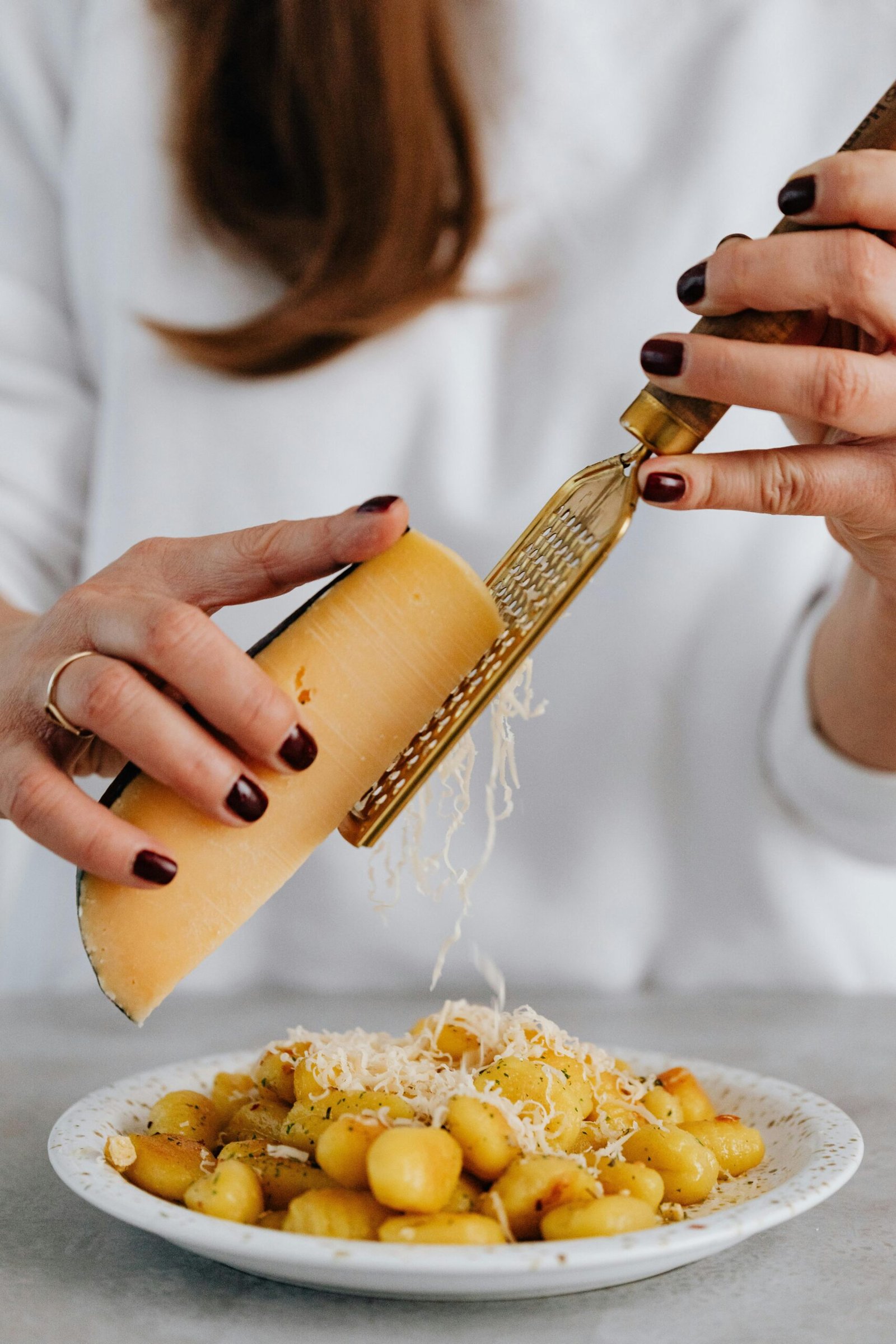
5) Deliberately add the foods you crave
One of the most effective ways to reduce cravings is to stop avoiding the foods you love.
When you allow yourself to enjoy them regularly:
- They are no longer forbidden.
- There is less chance that you will binge
- The relationship with food gets better.
Eat your favorite dishes with awareness and no guilt. Your pleasure is equally important to your food value.
6) Support your hormones with sleep and stress management
Cravings are very much intertwined with stress and sleep, most of all in women.
High stress and poor sleep can:
- Increase cortisol
- Disrupt hunger hormones
- Reduce decision-making capacity
- Simple habits that help:
- Prioritizing rest when possible
- Gentle movement instead of overtraining
- Creating daily moments to slow down
Sometimes the best way to control cravings is to care for your nervous system.
Extra tips to reduce cravings naturally
- Always keep yourself hydrated.
- Don’t limit yourself to thinking about ‘saving’ calories for later.
- Try to eat with as few distractions as possible.
- After having an indulgent meal, be kind and forgiving to yourself.
Remember: one snack never ruins progress.
Conclusion
Cravings don’t mean you lack discipline; they mean your body is asking for support.
When you eat enough, balance your meals, manage stress, and release food rules, cravings naturally become quieter and more manageable.
True control comes from nourishment, not restriction.
For women especially, healing your relationship with food is about listening, trusting, and responding with care.
You deserve an approach that supports your body, not one that fights it.